GlucoPril Official Website › Blog › Grape Seed
Grape Seed And Fasting Glucose: 2.01 mg/dL
Fifty randomised trials, pooled, put fasting plasma glucose 2.01 mg/dL below control with HbA1c unchanged. It is the only pooled glucose result anywhere in this bottle’s citation set, and understanding how big it is not is the most useful thing a buyer can take from this whole website.
- A meta-analysis of 50 randomised controlled trials is a large evidence base for any botanical ingredient.
- It reported fasting plasma glucose 2.01 mg/dL lower than control, and HbA1c unchanged.
- Two milligrams per decilitre is smaller than the ordinary variation between two mornings in the same week.
- Grape seed’s strongest evidence is vascular: blood pressure and flow-mediated dilation rather than glucose handling.
- The pooled trials span a dose range that no single milligram figure represents.
Why grape seed gets its own article
Because it is the strongest card in this ingredient list and because it is the one most easily oversold. Of the seven plants named on this bottle’s graphic, grape seed has the largest number of randomised trials behind it and the only pooled result that touches glucose at all.
An article that skipped it would be dodging the interesting question. An article that reported the result without its size would be doing the thing this website exists to avoid. So here is the figure, and here is what it is worth.
NCCIH's summary page on grape seed extract is the plain-English starting point, and the four analyses below are the detail underneath it.
The number, and where it came from
A systematic review and meta-analysis gathered the randomised controlled trials of grape seed extract on glycaemic control, serum lipoproteins, inflammation and body weight. Fifty trials went into it.
The glycaemic finding was a reduction in fasting plasma glucose of 2.01 mg/dL against control. HbA1c, the marker that reflects roughly the previous three months, did not move.
Fifty trials is a serious evidence base. By the standards of botanical research it is close to the top of what exists, and the finding is unlikely to be a statistical accident. That is precisely why its size is worth taking seriously too.
| Analysis | Trials pooled | What it reported |
|---|---|---|
| The glycaemic and lipid meta-analysis | 50 randomised controlled trials | Fasting plasma glucose 2.01 mg/dL lower than control. HbA1c unchanged. |
| The blood pressure meta-analysis | 16 randomised controlled trials | An effect on blood pressure, which is where grape seed’s evidence is strongest. |
| The duration- and dose-response analysis | Controlled trials, pooled | Flow-mediated dilation, blood pressure and heart rate, with the response examined against both dose and duration. |
| The cardiovascular risk-marker meta-analysis | Randomised controlled trials | An earlier assessment of the same family of markers. |
Four separate analyses. Three of them are about blood vessels and one of them includes a glucose figure.
How big 2.01 mg/dL is not
A fasting reading taken on two consecutive mornings in the same person, with no change to anything, commonly differs by more than two milligrams per decilitre. Last night’s meal, a short night’s sleep, a minor illness or a different hour on the clock will each move it further than that.
So the pooled effect of the best-evidenced ingredient in this bottle is smaller than the noise an individual would have to measure through to detect it. That does not make the finding false. It makes it undetectable at the level of one person on one meter, which is a different and more useful statement.
This is the number to carry as a yardstick when reading any page in this category. When a sales page implies a transformation, ask what fifty trials of the best-studied ingredient on the shelf actually produced, and compare.
| The figure | What it is | What to compare it against |
|---|---|---|
| 2.01 mg/dL | The pooled difference in fasting plasma glucose across 50 trials | The ordinary morning-to-morning variation in a single person, which is usually larger |
| HbA1c unchanged | No pooled effect on the three-month marker | The measure a clinic actually uses to judge control over time |
| Pooled across a dose range | No single milligram figure represents those trials | A label amount, which this bottle does not print for grape seed or for anything else |
| One of seven plants | Grape seed is last on this ingredient graphic | A blend total reported by marketplace listings at about 121 mg for all seven together |
Four rows, read downward, are the whole argument of this article.
Why HbA1c being unchanged matters
A fasting reading is a snapshot. HbA1c is an average over roughly three months, and it is the measure a clinic uses to judge whether control has actually changed. The ADA's glycaemic goals chapter sets out what targets are built from it and why they differ between people.
When a pooled analysis finds a small movement in the snapshot and none in the average, the conservative reading is that the snapshot movement did not persist or was too small to accumulate. That is not a criticism of the analysis; it is what the analysis found.
It also explains why the label wording is what it is. A product with this evidence behind it can honestly say it supports a normal process. It could not honestly claim to change a number that fifty trials left unchanged.
Order GlucoPril with the yardstick in front of you
Seven named botanical extracts and a website that prints the size of the best-evidenced result among them rather than only its existence.
Price at checkout · one payment, no subscription · money-back guarantee as printed at the checkout
Order GlucoPril On The Official Website2 drops a day after a meal · 60 ml a bottle · lot GLU-26/GL-2779
Where grape seed's evidence is actually strong
Three of the four analyses in the table above are about blood vessels rather than blood sugar, and that is where this ingredient’s reputation was earned.
A meta-analysis of 16 randomised controlled trials examined grape seed extract and blood pressure. An earlier meta-analysis assessed its effect on cardiovascular risk markers more broadly. Both sit in the same territory as the venoactive literature behind the other six plants on this label.
That coherence is worth noticing. Grape seed is not an odd inclusion in this formula; it is the most-studied member of exactly the set the other six belong to. The formula is internally consistent. It is the name on the front that sits outside it.
What a dose-response analysis adds
A systematic review and meta-analysis with duration- and dose-response analysis examined flow-mediated dilation, blood pressure and heart rate. Adding a dose-response arm answers a question a plain pooled average cannot: does more produce more?
For a consumer that is the difference between an ingredient worth paying for at a given amount and one that is decorative below a threshold. It is also the analysis that makes an unprinted amount most frustrating, because the answer it produces is only usable against a number the label supplies.
The pooled trials in the glycaemic analysis span a dose range that no single milligram figure represents, which is why this website prints no grape seed dose. There is no honest figure to print.
- Fifty trials is a large base and the finding is probably real.
- Two milligrams per decilitre is smaller than ordinary day-to-day variation.
- HbA1c did not move, which is the measure that would matter over months.
- The stronger evidence is vascular, which matches the rest of this ingredient list.
- No representative dose exists across the pooled trials, so none is printed here.
What any of it says about this bottle
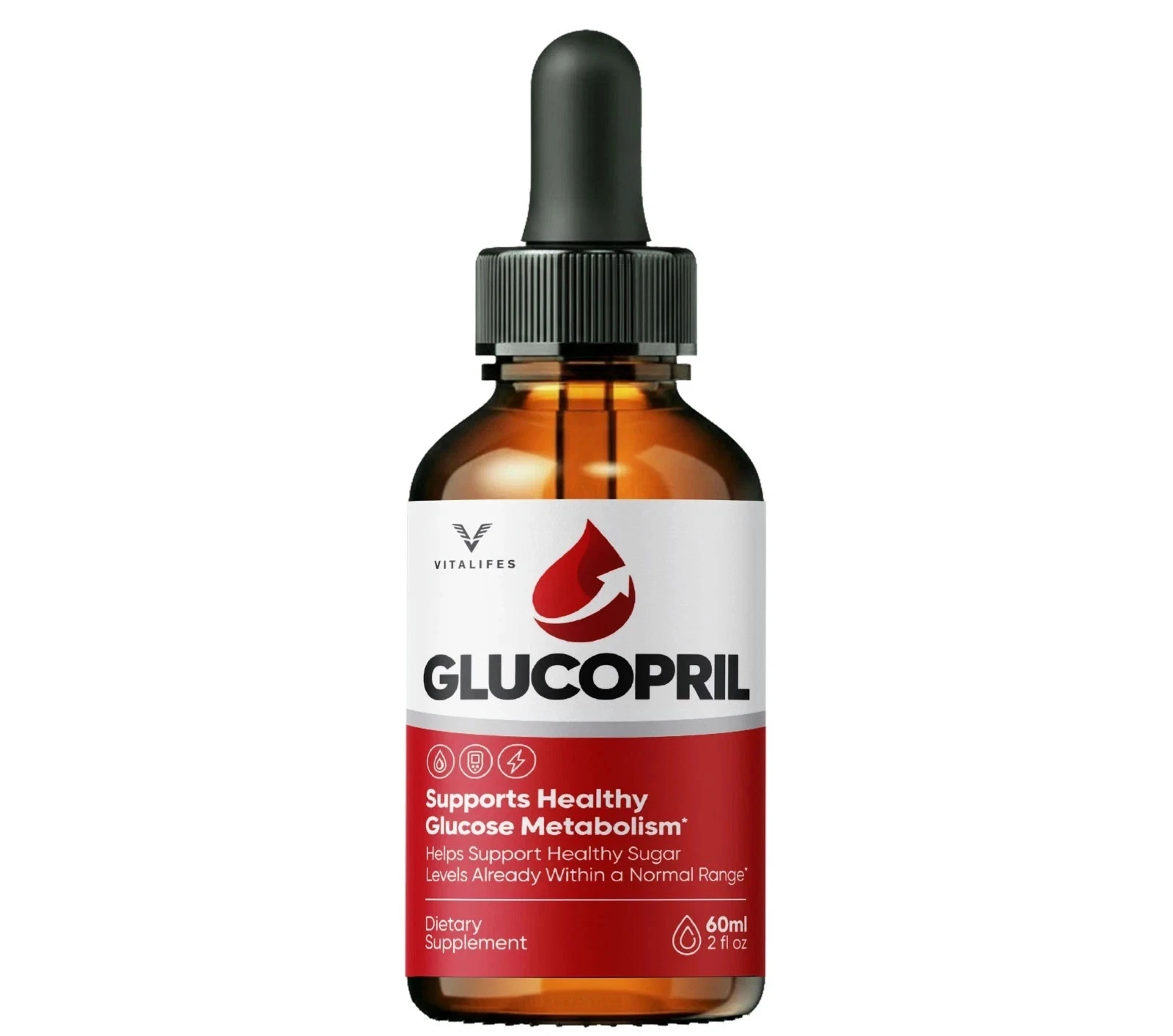
Grape seed is last of seven on the ingredient graphic and no amount is given for it or for any of the others. Marketplace reports put the whole blend at about 121 mg, a figure from those reports rather than from the bottle, and that is the total for seven plants together.
Whatever share of that total grape seed holds, it is a fraction of a figure that is already small next to the single-ingredient doses in the trials above. The pooled analyses used grape seed on its own, at whatever amounts fifty separate research groups chose.
So the honest conclusion is narrow and it is not nothing: this bottle contains an ingredient with a genuine, well-replicated, vascular evidence base, at an amount nobody has stated, alongside six others in the same family. The ingredients page runs the same exercise across all seven.
There is one more consequence worth drawing out, because it applies well beyond this bottle. An ingredient with fifty trials behind it is exactly the kind a formulator can include in a small share and still name on the front of a package, and a reader with no weight to work from cannot tell a meaningful inclusion from a decorative one. The strength of the evidence and the size of the dose are separate questions, and a label that answers only the first has answered the easier one.
What grape seed is not being accused of
It is not being called useless. An ingredient with fifty randomised trials and four meta-analyses behind it is better evidenced than almost anything on a supplement shelf, and saying so is the fair reading.
It is not being called irrelevant to this formula either. It belongs with the other six, and its vascular evidence is the strongest in the set.
The argument is about scale and about wording. A real result of 2.01 mg/dL, in an ingredient present at an unstated share of a blend, is not a blood-sugar claim, and this desk does not make one. Printing the figure beside its size is the whole point of the exercise.
References
- Asbaghi O, Nazarian B, Reiner Z, et al. The effects of grape seed extract on glycemic control, serum lipoproteins, inflammation, and body weight: a systematic review and meta-analysis of randomized controlled trials. Phytother Res. 2020;34(2):239-253. PMID 31880030. https://pubmed.ncbi.nlm.nih.gov/31880030/
- Zhang H, Liu S, Li L, et al. The impact of grape seed extract treatment on blood pressure changes: a meta-analysis of 16 randomized controlled trials. Medicine (Baltimore). 2016;95(33):e4247. PMID 27537554. https://pubmed.ncbi.nlm.nih.gov/27537554/
- Foshati S, Nouripour F, Sadeghi E, Amani R. The effect of grape (Vitis vinifera) seed extract supplementation on flow-mediated dilation, blood pressure, and heart rate: a systematic review and meta-analysis of controlled trials with duration- and dose-response analysis. Pharmacol Res. 2022;175:105905. PMID 34798267. https://pubmed.ncbi.nlm.nih.gov/34798267/
- Feringa HH, Laskey DA, Dickson JE, et al. The effect of grape seed extract on cardiovascular risk markers: a meta-analysis of randomized controlled trials. J Am Diet Assoc. 2011;111(8):1173-81. PMID 21802563. https://pubmed.ncbi.nlm.nih.gov/21802563/
- Grape Seed Extract. National Center for Complementary and Integrative Health, National Institutes of Health. https://www.nccih.nih.gov/health/grape-seed-extract
- American Diabetes Association Professional Practice Committee. 6. Glycemic goals, hypoglycemia, and hyperglycemic crises: Standards of Care in Diabetes-2026. Diabetes Care. 2026;49(Suppl 1):S132-S149. PMID 41358894. https://pubmed.ncbi.nlm.nih.gov/41358894/